Male Pattern Hair Loss
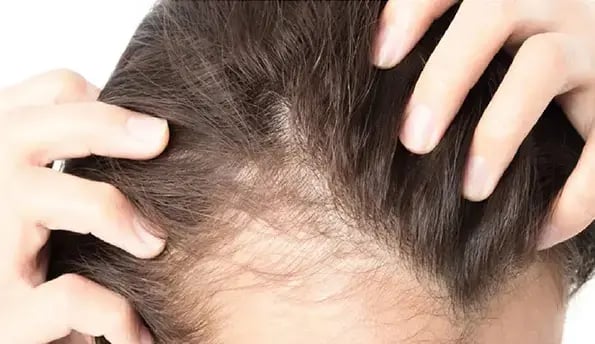
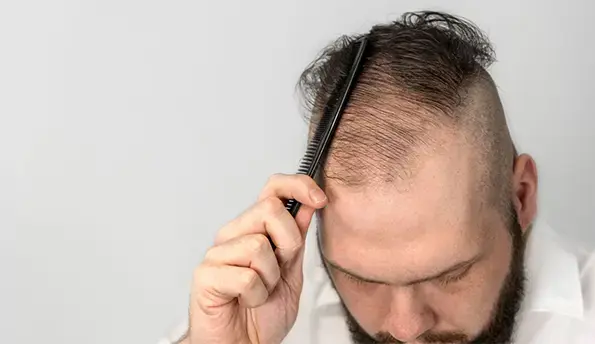
Hair loss that occurs with the effect of androgens on a genetic basis is called "Androgenetic hair loss." It is seen in about half of men and 20-25% of women. Although patients say that hair loss is severe occasionally, it is generally insidious, unlike telogen hair loss, and the picture settles over the years.
Alopecia Type Hair Loss
Alopecia areata; It is a frequently observed disease characterized by one or a few round, completely balding areas of varying diameters that appear suddenly. It is popularly known as "ringkıran"; contrary to its name, it is not a fungal disease nor contagious. It can be seen not only in the hair but also in the beard area.
Hair Loss Due to Thyroid Hormones
In the case of an underactive thyroid gland, namely hypothyroidism, widespread hair loss or loss of body hair can be seen. After the thyroid hormone treatment, the hair returns to its normal state in an average of 8 weeks.
Hair Loss After Pregnancy and Vitamin Deficiency
Hair loss may start due to hormonal changes, especially from the 1st-4th month after birth, and it usually lasts less than six months. In female patients, it is necessary to control the level of sex hormones when there are problems such as thinning, acne, menstrual irregularity, and increased hair growth, especially in the front areas of the hair.
Zinc, biotin, vitamin B12, folic acid deficiency, and vitamin D deficiency also cause hair loss. Hair loss may occur approximately 1-6 months after starting strict diets.
Hair Loss Due to Medicines and Stress
Some blood pressure medications, cholesterol-lowering drugs, thyroid hormone-lowering drugs, birth control pills, drugs used in psychiatry, vitamin A, and derivative drugs can cause hair loss. Hair loss itself can increase the stress level and cause a vicious circle.